

医局員活動報告
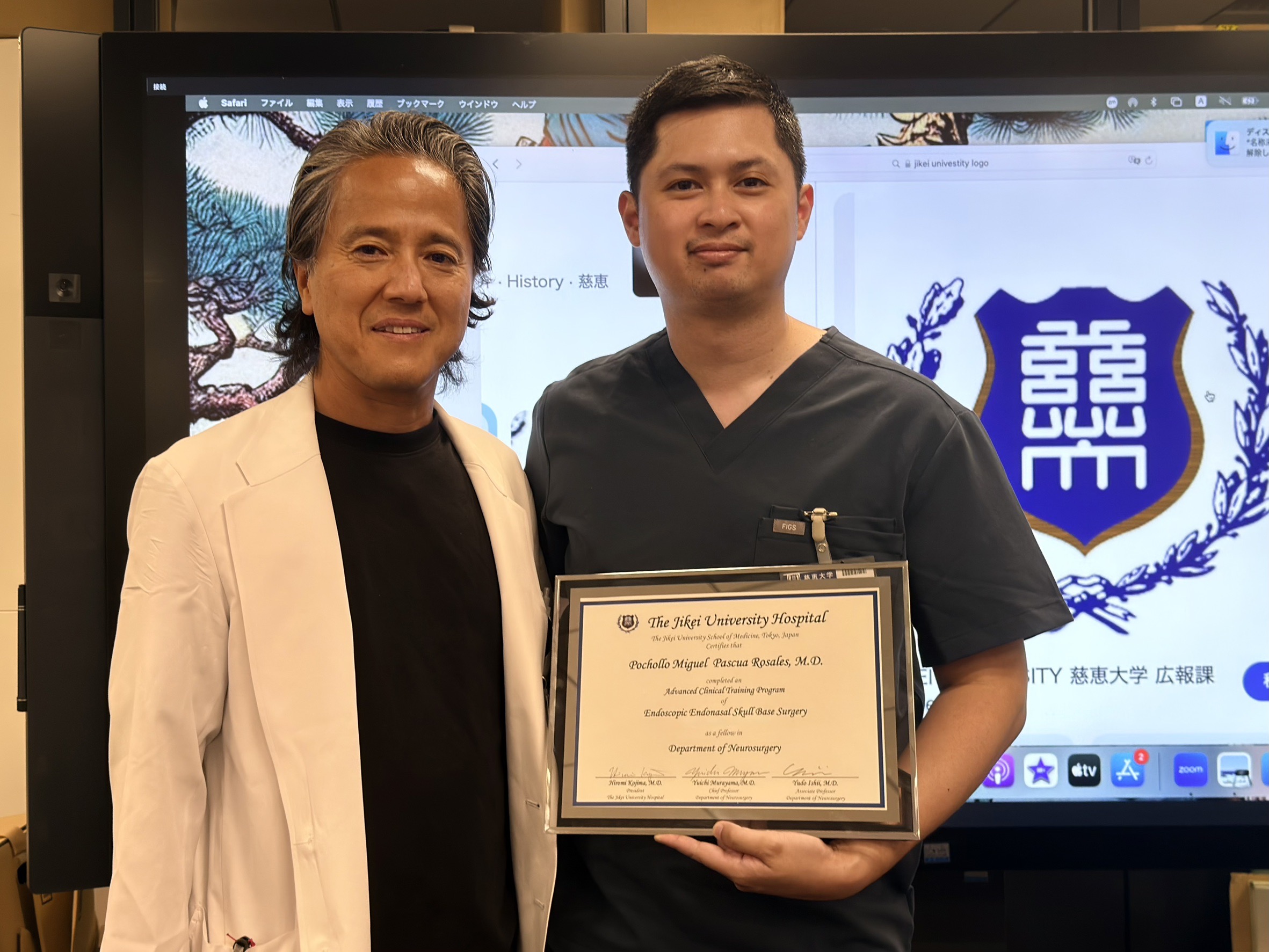
Pochollo Rosales医師がEndonasal Skull Base surgery advanced clinical training programを修了しました
Pochollo Miguel Pascua Rosales医師が6ヶ月間のEndonasal Skull Base surgery advanced clinical training programを修了しました。
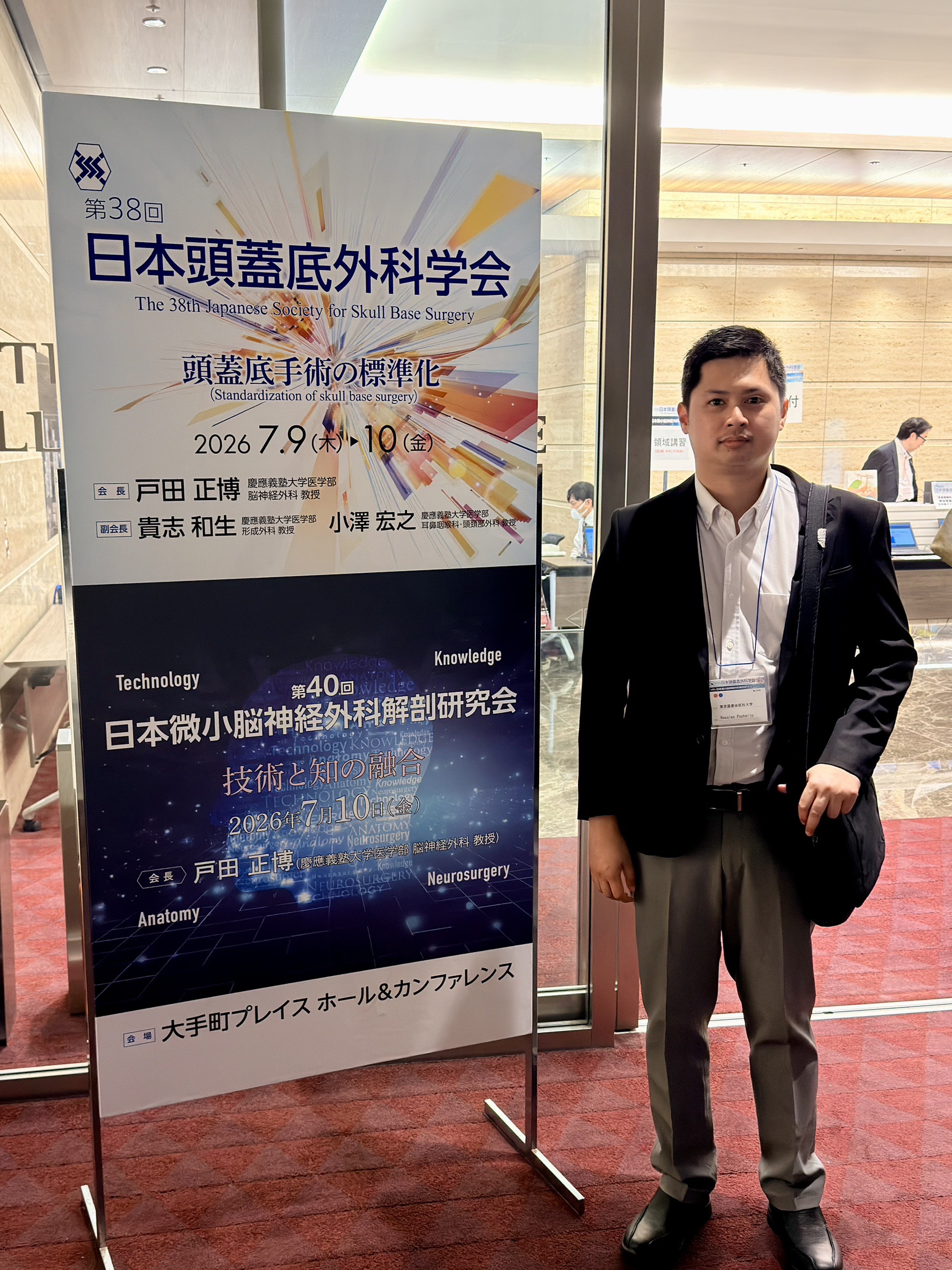
Pochollo Rosales医師は2026年4月よりフィリピンからいらっしゃり、石井雄道教授に師事し、半年間当院での経鼻内視鏡下垂体手術を学ばれました。石井雄道教授を中心とした頭蓋底内視鏡手術チームの一員となり、当院での安全かつ確実性の高い手術の技術および知見の習得に取り組まれました。Pochollo医師のフィリピンでの更なるご活躍を心よりお祈り申し上げます。
以下Pochollo医師からの留学体験記レポートです。
What Japan Taught Me About Surgery—and About Home
Six months ago, I left home and traveled to Tokyo with a simple goal: to become a better surgeon. I came to The Jikei University Hospital as an endoscopic skull base fellow, with so much to learn and, honestly, so much to prove to myself.
What I did not expect was how much the experience would change the way I see surgery—and myself. At Jikei, I learned that excellence in surgery is not about how quickly you operate or how impressive a procedure looks. It is built quietly, through preparation, discipline, attention to detail, and respect for every millimeter of anatomy. I watched complex skull base procedures become almost beautifully methodical. Every step was deliberate. Every movement had a reason. Nothing was rushed, and nothing was taken for granted.
I was especially inspired by the partnership between neurosurgery and ENT. Skull base surgery reminded me that even the most technically demanding operations are never the work of one person. It is a shared responsibility—different specialties bringing different strengths, working toward one purpose: giving the patient the best possible outcome.
And through all of this, I was fortunate to learn from my mentor, Dr. Yudo Ishii. He taught me far more than surgical technique. He taught me know my anatomy, prepare more carefully, to be precise, to remain humble and above all to never stop learning. I will carry those lessons with me for the rest of my career.
But perhaps one of the most unexpected things Japan taught me was to appreciate home. Living and training in Japan made me see the differences between the environment I was immersed in and the one I would eventually return to.
At Jikei, I experienced an environment where advanced technology, specialized instruments, highly developed systems, and institutional support are readily available. Back home in the Philippines, we sometimes work with limitations. We adapt. We improvise. We make do with what we have. We find another way. For a long time, I thought of these differences simply as limitations. But after six months away, I began to see them differently.
Japan taught me precision, structure, discipline, preparation, and consistency. The Philippines taught me resourcefulness, resilience, adaptability, and creativity. One taught me how to make the most of what is available. The other taught me how to find a way when what you need is not available. And perhaps the greatest lesson is that I don’t have to choose between them. I want to bring home the discipline and precision I learned in Japan, while never losing the resilience and resourcefulness that shaped me as a Filipino surgeon.
Because ultimately, surgery is not just about having the best instruments or the most advanced technology. It is about knowing what to do when everything is available—and knowing what to do when it isn’t. It is about remembering why we operate in the first place: because there is a patient who has placed their trust in us.
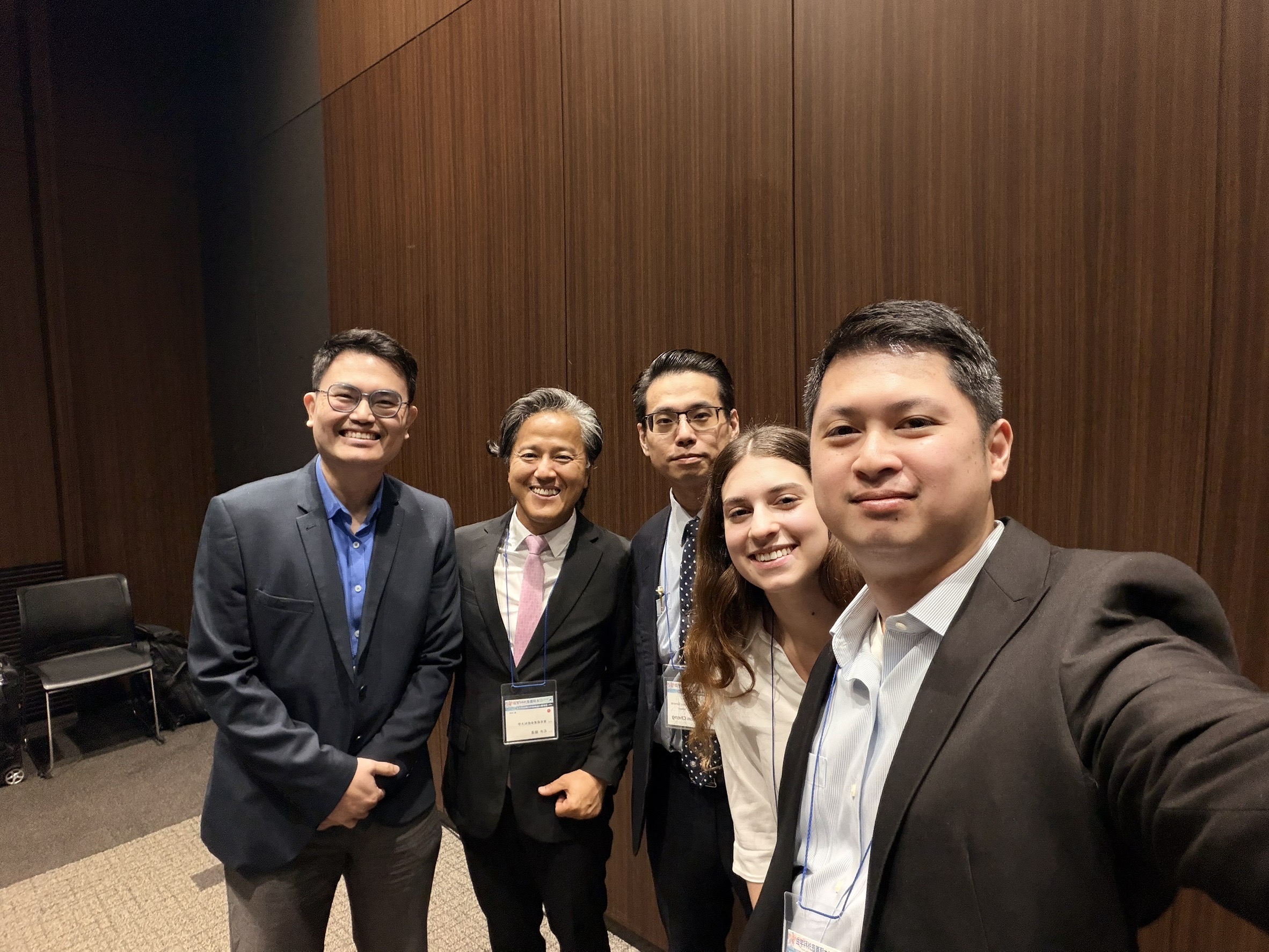
To Dr. Yudo Ishii, thank you for sharing your knowledge and your experience to me. Thank you for the patience, the guidance, and the lessons that went far beyond surgery.
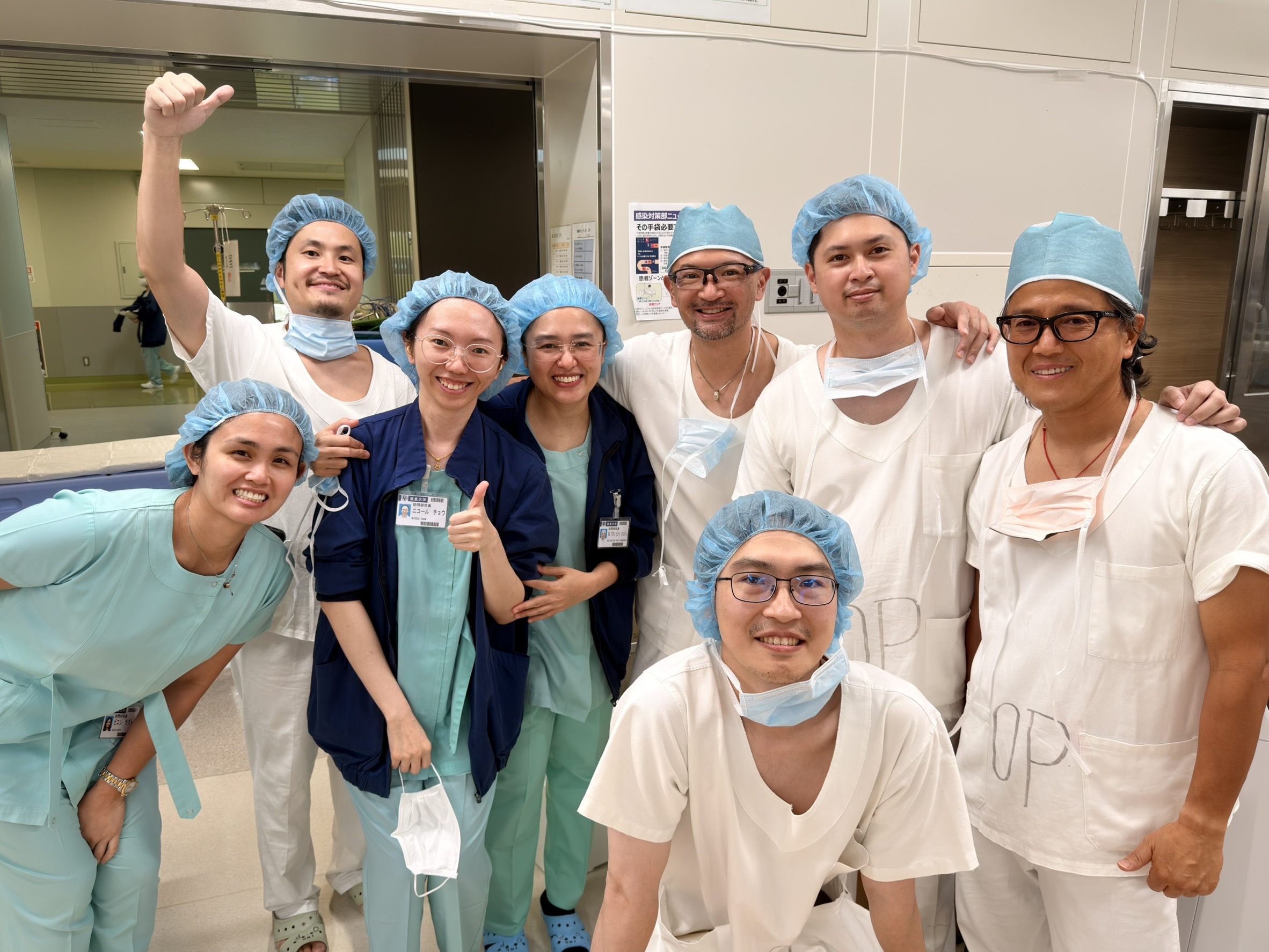
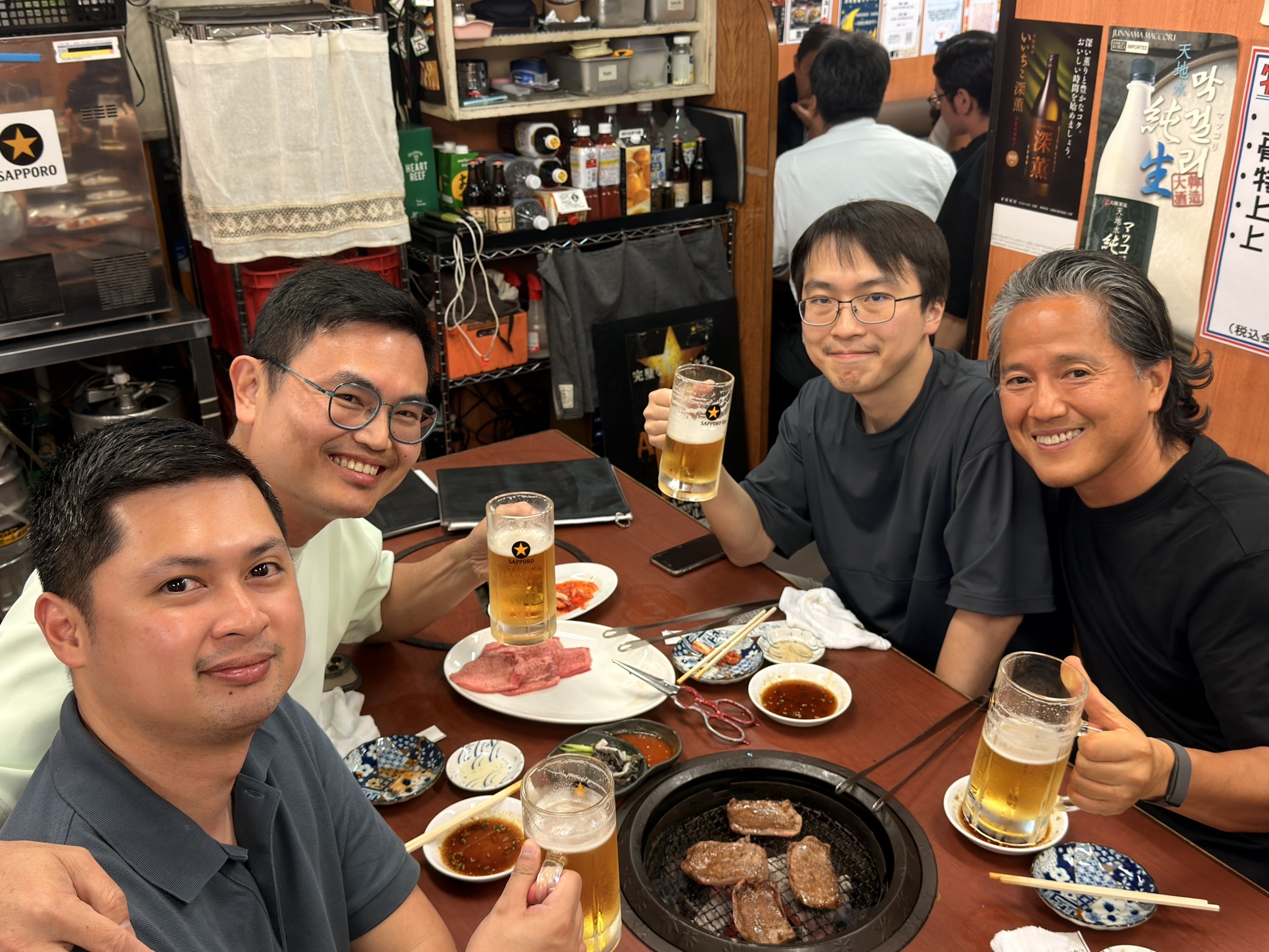
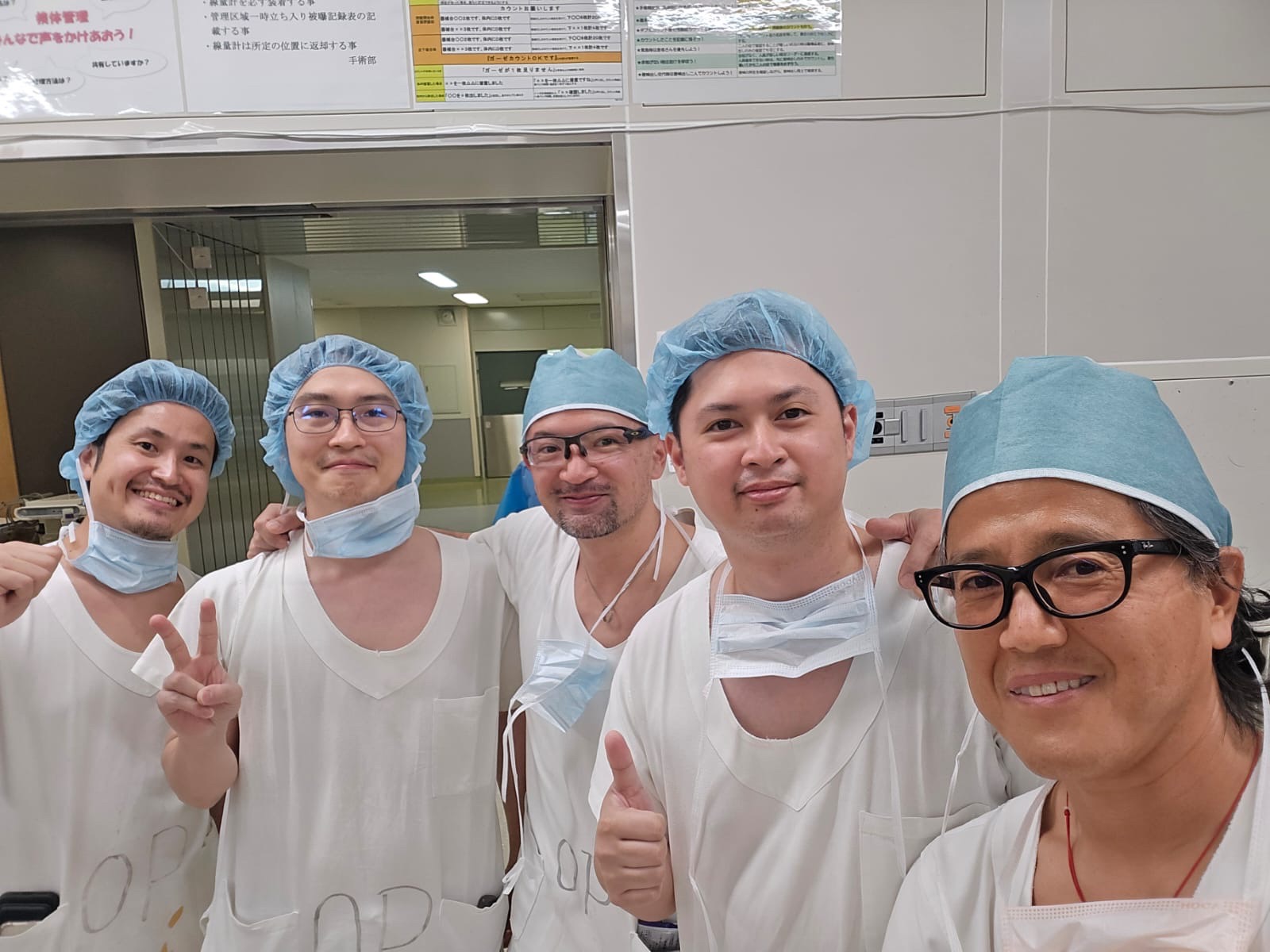
To the entire Jikei Department of Neurosurgery, thank you for welcoming me not simply as a fellow, but as part of your team. I will always be grateful for the friendships, the conversations, the long days in the operating room, and the memories I will carry home with me.
I left the Philippines hoping to become a better surgeon. I return home realizing that becoming a better surgeon is not only about learning how to operate better. It is about becoming more disciplined, more humble, more adaptable, and more grateful. I went to Japan to learn a better way to operate. I came home with a better understanding of the surgeon I hope to become.
医局員活動報告一覧に戻る